Compostable Plastics
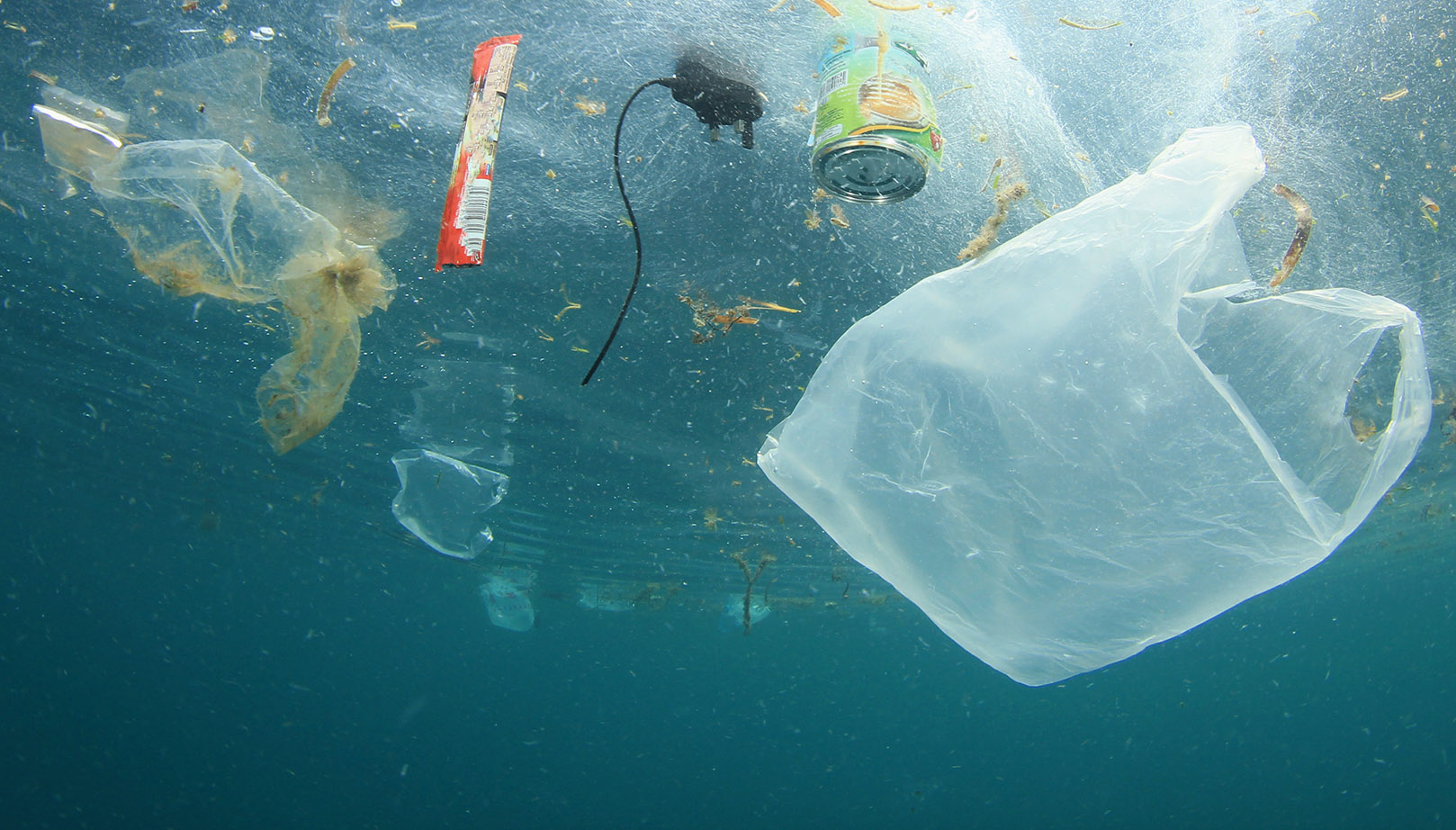
Today, one of the main pollution problems in the oceans is plastic. Due to the fact that the increase in plastic waste has increased over the years, as a consequence of poor management of this waste or its abandonment, around 8 million tons of plastic end up in seas and oceans per year, forming between 60% and 80% of marine litter.
The amount of plastic found in the oceans is unknown, but it is estimated that there are around 5 to 50 trillion plastic fragments, excluding fragments on the seafloor or on shorelines. Plastic being a problem worldwide, which is increasing worryingly.
Thanks to this concern, new methods have been investigated, such as PLA to replace conventional plastic with alternatives that can help our environment.
What is PLA material?
Polylactic Acid (PLA) is a biopolymer of natural origin from plant sugars such as corn, sugar cane, beets and vegetable residues.
This PLA plastic fulfills the same functionality as “conventional plastics”, but it also has a series of attributes that make it incredibly friendly to the environment.
- BPA-free product (Bisphenol A, industrial chemicals that are used in some plastic resins. These components of Bisphenol A can cause changes in cells in some parts of the body, increasing the possibility of contracting cancer and increasing disorders of brain and system development).
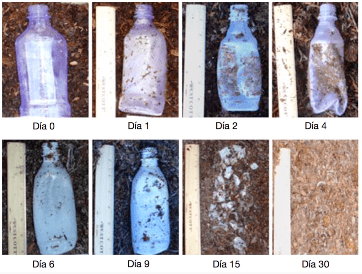
- Compostable in 80 days (in industrial compost bins).
- It generates 60% less greenhouse gases.
Compostable Plastics