
Energy Projects
Solar Energy
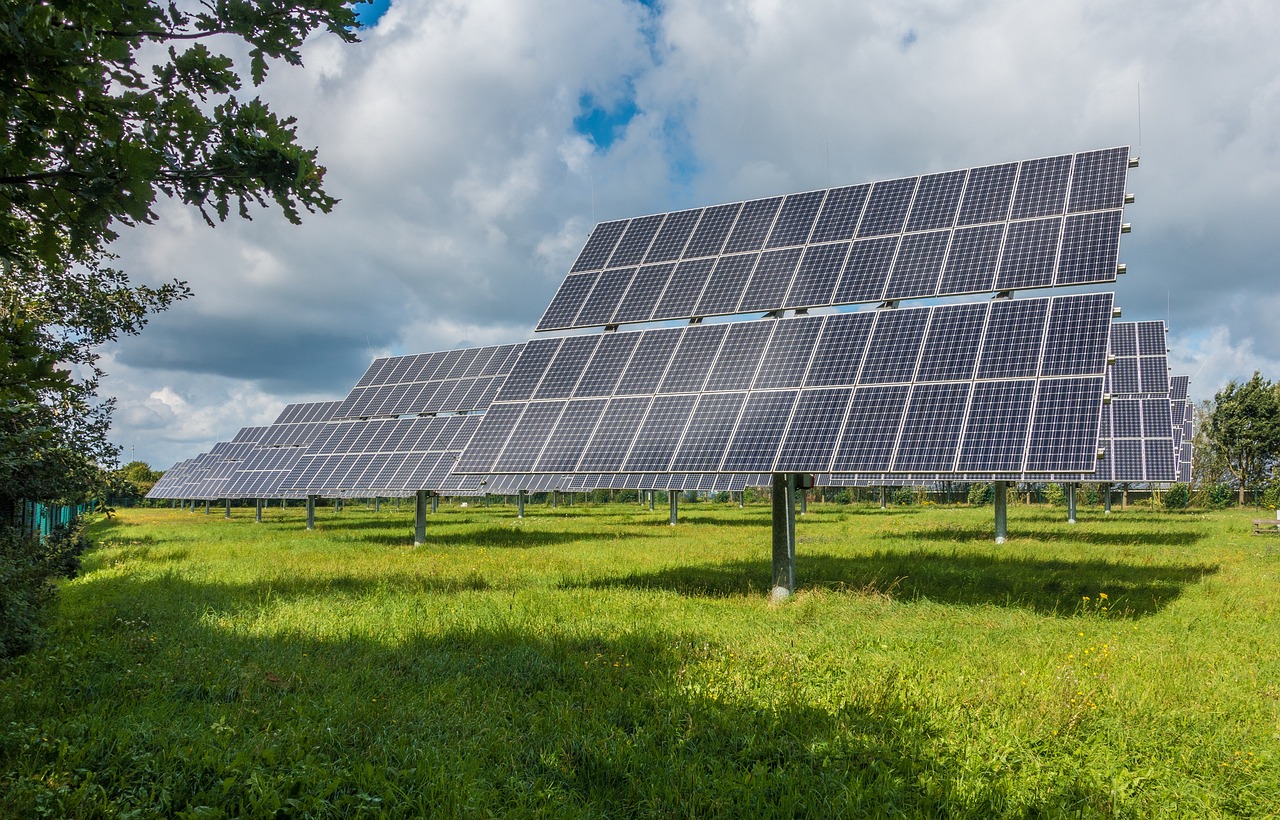
When it comes to solar energy, there are many possibilities that currently exist for its use and consumption. A photovoltaic park is made up of thousands of solar panels connected to each other, by means of electrical conductors grouped by areas, located in strategic areas where they can receive the greatest amount of energy. A photovoltaic park not only has the capacity to capture sunlight through thousands of solar panels together, but also, through the use of batteries, it is capable of storing solar energy, allowing its use when necessary.
M&H, with its commitment to produce renewable energy, will have several solar parks distributed in central and northern Chile, and is looking at some projects in other countries such as Korea and Tahiti.
Solar Energy Projects
Solar Farm
Punta Verde
Coquimbo Region
Ovalle.
Installed Capacity 3,29 Mw / Rated Capacity 2,99 Mw / Annual Production: 5.762 MWh
Solar Farm
Piedra Verde
Coquimbo Region
Combarbalá.
Installed Capacity 3,29 Mw / Rated Capacity 2,99 Mw / Annual Production: 6.548 MWh
Solar
Camarico
Coquimbo Region
Ovalle.
Installed Capacity 10,65 Mw / Rated Capacity 9 Mw /
Annual Production: 17.345 MWh.
Mantos del
Sol
Coquimbo Region
Ovalle.
Installed Capacity 10,65 Mw / Rated Capacity 9 Mw /
Annual Production: 17.345 MWh.
Green Hydrogen
Hydrogen is a gas and is the most abundant chemical element on earth, forming 9 out of 10 atoms in the universe. This gas can be generated from renewable sources, stored and used through fuel cells to generate clean electricity.
Green Hydrogen, also known as Renewable Hydrogen, is produced by electrolysis of water with renewable and clean energy sources. Making this process does not emit CO2.
M&H’s objective is to carry out a comprehensive project for the generation of Hydrogen using Known Technologies (KT) and New and Revolutionary Technologies (NRT), which together will allow having an absolutely green fuel.
The project considers extracting water from the sea (with KT), desalination (with NRT) and producing hydrogen (with KT), all using a new way of producing electricity (with NRT).

Waste to Energy (WTE)
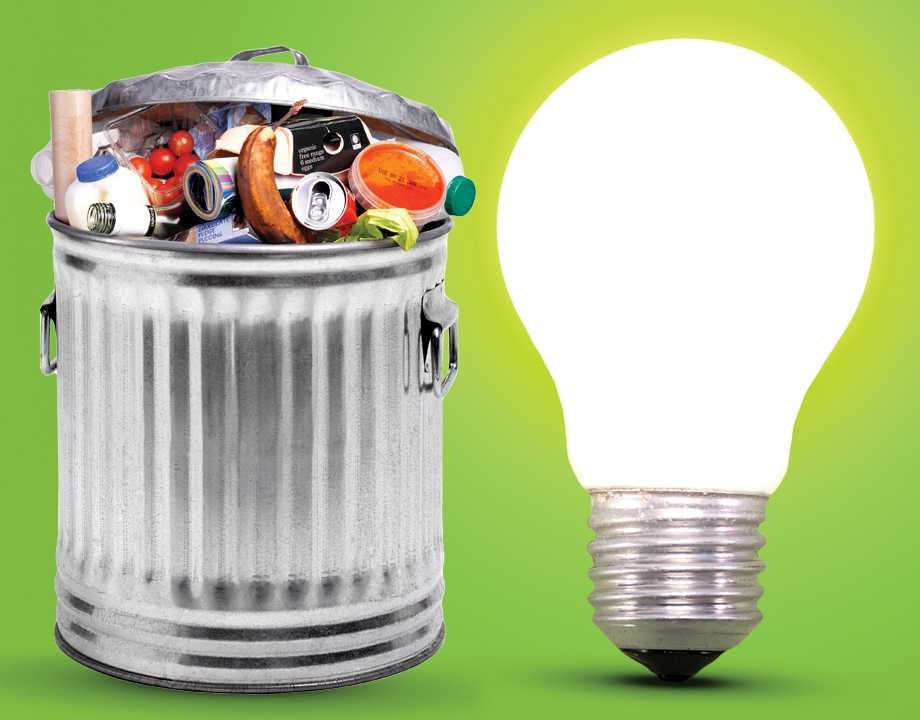
It is not news that garbage is a big problem in several cities and several countries of the world because each one of them produces millions of tons of waste. Per day, each person produces about 1 KG. In addition, the increase in waste is 10% per year.
This magnitude of garbage brings thousands of problems such as air pollution with gases such as methane, in addition to the fact that landfills are no longer a sustainable long-term solution because they contaminate land and water.
Waste to Energy is one of the best solutions, since it is the second best source of energy in the world. The generation through biomass of household and industrial waste corresponds to around 121 TW of energy use in the world. In addition, everything that can be recyclable is removed to be reused.
Production Types (WTE)
Co-generation
- Power generation through the use of boilers installed in industrial processes.
- Use of a counter-pressure steam turbine or with controlled steam extraction.
- Lower costs per MWh, since the steam used in the process is the same used in cogeneration.
Pure Generation
- Configuration of boilers for exclusive use in power generation.
- Independent power dealer.
- Stability of power generation for industrial processes.
- Use of vacuum steam condenser turbine.
- Quick return on investment.
Wind Energy
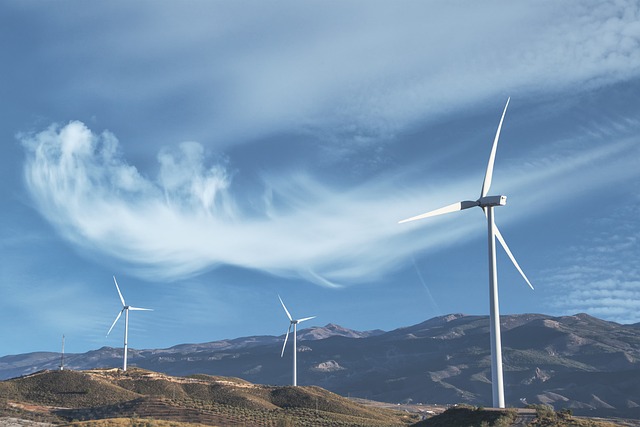
Wind power is an abundant, renewable, and clean resource that helps reduce greenhouse gas emissions by replacing fossil fuel-based power sources. It does not generate waste or water pollution, a very important factor considering the scarcity of water. Unlike fossil fuels and nuclear power plants, wind power has one of the lowest water consumption footprints, making it key to preserving water resources.
Wind energy continues to be the most efficient technology to produce energy in a safe and environmentally sustainable way: without emissions, indigenous, inexhaustible, competitive and a creator of wealth and employment.
Wind Energy Projects
Wind Farm Rio Laja
Biobío Region
Cabrero.
Capacity: 86.8Mw.
Status: In environmental development
Wind Farm Coquimbo 1
Coquimbo Region
Ovalle.
Capacity: 99Mw.
Status: In environmental development
Production: 400.000 MWh/year.
Wind Farm Camarico
Coquimbo Region
Ovalle.
Capacity: Stage 1 - 39.6Mw (Developed) / Stage 2 - 66Mw (In development).
Production: 400.000 MWh/year.
Wind Farm Doña Manuela
Biobío Region
Los Angeles.
Capacity: 217Mw.
Status: In environmental development
Production: 630 GWh/year.
Wind Farm Costa Dorada
Coquimbo Region
Ovalle.
Capacity: 220Mw.
Status: In environmental development
Production: 600.000 MWh/year.